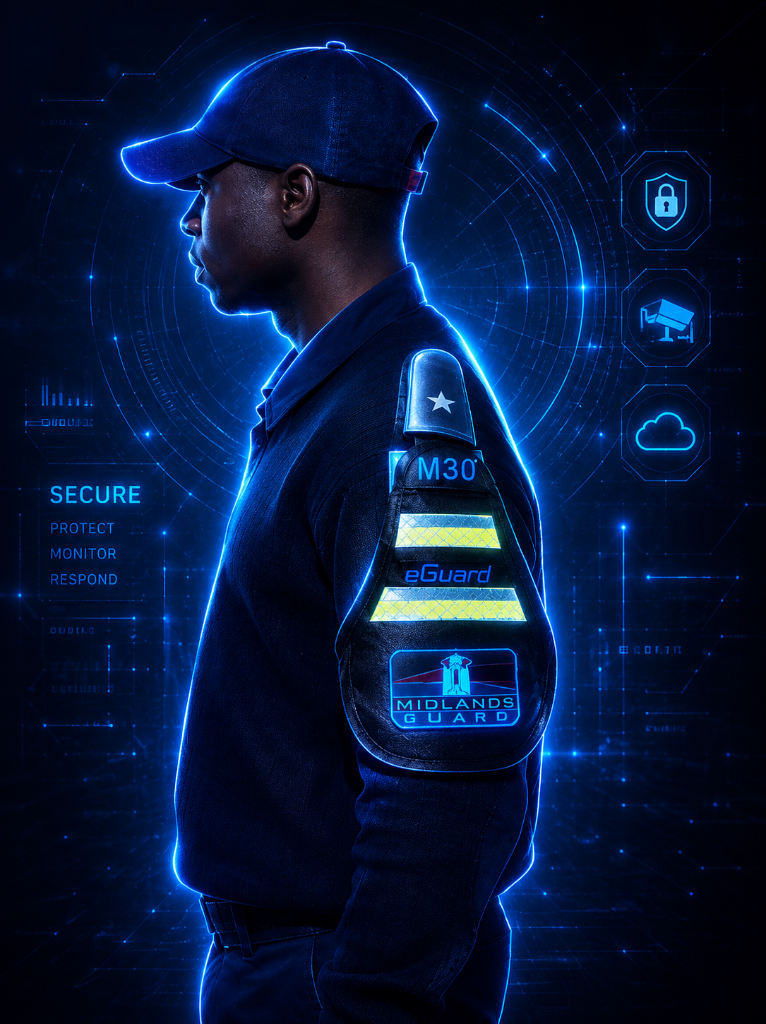
From Paper Logs to Live Intelligence
For decades, the security guarding industry relied on paper-based patrol logs, radio check-ins, and end-of-shift reports. While these methods provided a basic record of activity, they offered no real-time visibility, no immediate emergency response capability, and no operational intelligence. Security companies were managing blind — only discovering what happened on a patrol after the guard returned to base.
The shift to intelligent patrol technology changed that fundamentally.
What Real-Time Tracking Changes Everything
Real-time GPS tracking gives security operations centres instant, continuous visibility of every guard's location during their shift. This means:
- Immediate awareness of guard positions during emergencies
- Verification that patrol routes are completed as scheduled
- Accountability through automatic route recording and playback
- Emergency response — panic alerts trigger instant location of the nearest responder
These capabilities move the security operations centre from a reactive reporting function to a proactive command capability, where supervisors can identify issues, redeploy resources, and verify service delivery as it happens rather than after the fact.
The AIMSS Approach
BetaTrac's AIMSS (Analytical Intelligent Management Security Solution) platform takes this further by integrating lightweight, body-worn GPS devices that are part of the guard's uniform. This means zero infrastructure in the field, zero tampering of NFC tags or touch buttons, and virtual waypoints that ensure 100% reliable patrol verification.
The eGuard armband and eGuard-K9 harness deliver 2-5 metre GPS accuracy with 30-second data streaming intervals, ensuring complete visibility of guard movements at no cost to the guard's performance or comfort. For K9 units, the harness tracks both the handler and the dog, providing a unified view of specialised patrol operations that traditional systems cannot match.
The Data Advantage
Beyond real-time visibility, the real power of intelligent patrol technology lies in the operational data it generates. Over weeks and months, patrol data reveals patterns that manual reporting could never surface — which checkpoints consistently take longer, which routes have coverage gaps, which sites require additional resources at specific times.
This data transforms client conversations from subjective assessments of service quality to objective, evidence-based reporting. When a security company can show a client exactly how many patrols were completed, the average response time to incidents, and the percentage of checkpoints visited on schedule, the commercial relationship shifts from cost-plus service delivery to value-based partnership.
Why This Matters
The evolution from paper to intelligent tracking isn't just technology — it's a transformation in how security companies deliver value. Clients can now expect:
- Verifiable patrol evidence with GPS precision
- Real-time incident response with instant location awareness
- Comprehensive operational reporting without manual data entry
- Reduced insurance risk and liability through demonstrable due diligence
For security companies, the question is no longer "did the patrol happen" — it's "how can we improve the next one."