Why Autonomous Reporting is the Future of Security Management
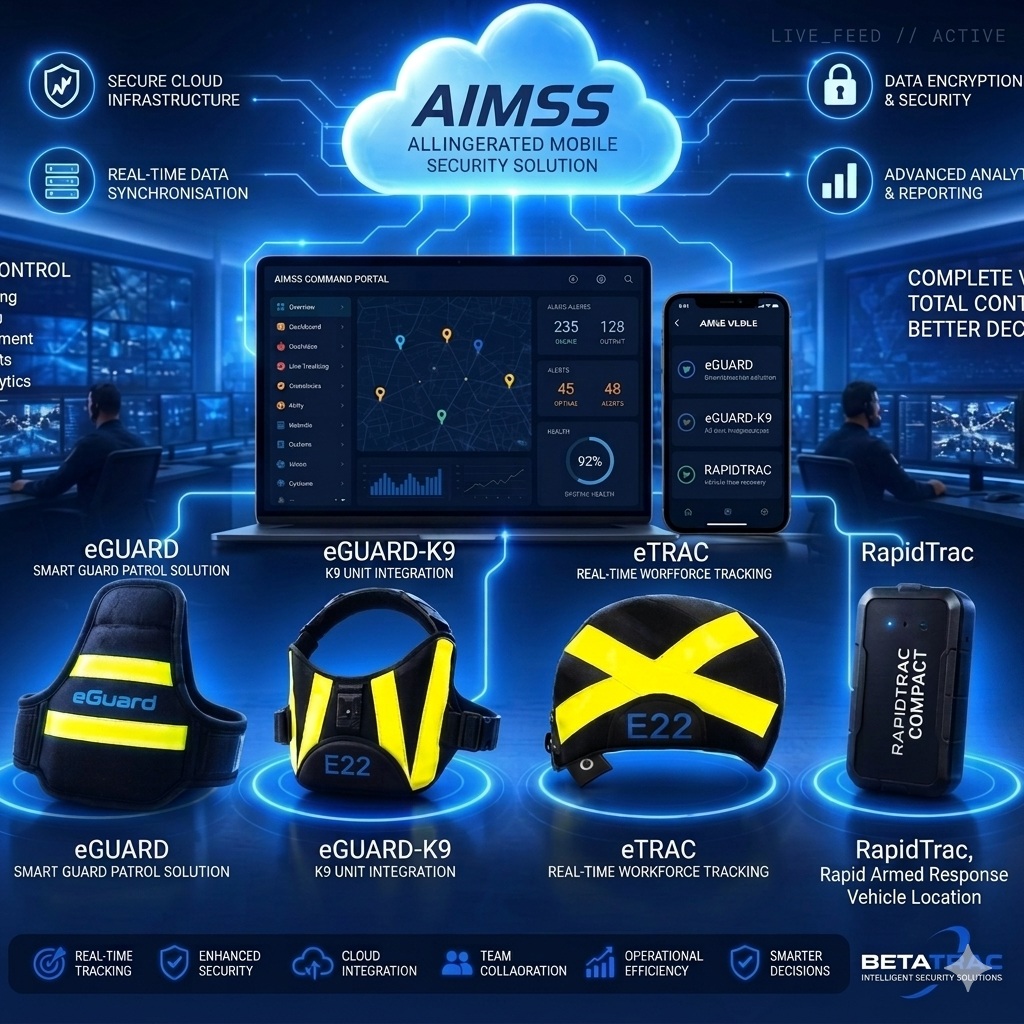
In the modern security landscape, clients demand transparency and accountability. They want to know exactly what they're paying for — and they want proof.
Traditional security reporting relies on handwritten incident logs, end-of-shift summaries, and verbal briefings. These methods are inherently subjective, inconsistent, and difficult to verify. When a client asks for evidence of service delivery, the security company is left searching through paper records and relying on guard testimony.
What Autonomous Reporting Changes
AIMSS autonomous reporting eliminates the subjectivity and inconsistency of manual guard reports. Every patrol route, every checkpoint visit, every response time is captured automatically with GPS-verified precision. The system generates structured reports without any manual data entry from the guard, supervisor, or control room operator.
This means the data your client receives is not a narrative account of what a guard says happened — it is a verifiable record of what the GPS, the bodycam, and the patrol device actually recorded.
Building Client Trust Through Data
The result? Security companies using AIMSS have reported significant increases in client retention rates. When your reports are backed by real-time data rather than handwritten logs, trust follows naturally. Clients can see exactly which checkpoints were visited, when they were visited, how long the guard spent at each location, and how quickly they responded to incidents.
This level of transparency transforms the client relationship. Instead of periodic conversations about service quality, the security company can provide monthly performance reports with objective metrics — patrol completion rates, average response times, incident resolution statistics, and coverage verification.
Beyond Compliance — A Strategic Advantage
Autonomous reporting also delivers internal operational benefits. Supervisors can identify guards who consistently complete patrols faster or more thoroughly, enabling data-driven performance management. Patterns in incident frequency and location can inform resource allocation decisions. And when disputes arise, the objective record removes ambiguity.
For security firms looking to differentiate themselves in a competitive market, autonomous reporting isn't just a feature — it's a strategic advantage that elevates the service from a cost centre to a value driver. Clients don't just buy security hours — they buy measurable, verifiable protection.